Ever felt like your creative team is speaking an entirely different language?
You explain your vision, you even send examples—but somehow the design misses the mark. It’s not about talent or skill. It’s about communication.
When a designer doesn’t “get” you, it usually means there’s a gap between what you think you’re saying and what they’re actually hearing. But good news—this can be fixed.
Let’s explore why these disconnects happen and how to make sure your creative team not only understands you—but nails your design every time.

Why Creative Teams Miss the Mark
Miscommunication is the #1 design killer. Your vision may be clear in your mind, but translating it into actionable guidance takes more than a few adjectives and a moodboard.
Common signs your designer is guessing:
- Too many vague revision rounds
- Deliverables feel technically fine but emotionally off
- You feel like you have to micromanage every detail
If this sounds familiar, it’s time to rethink your approach.
Step-by-Step: How to Make Sure Your Designer Gets You
Step 1 — Give Clear, Actionable Direction
Before any pixels get pushed, clarify:
- What’s the goal? Awareness, engagement, conversion?
- Who’s it for? Audience age, behavior, lifestyle?
- What’s your style? Visual examples of what to aim for—or avoid
- What’s off-limits? Any brand no-go zones?
Be precise, not poetic. “I want it clean and modern” means very different things to different people.
Step 2 — Use Visual Language to Align
Words like “edgy,” “friendly,” or “luxury” can mean different things depending on context.
Try this:
- Share real-world examples of work you love
- Show bad fits too—it’s just as useful
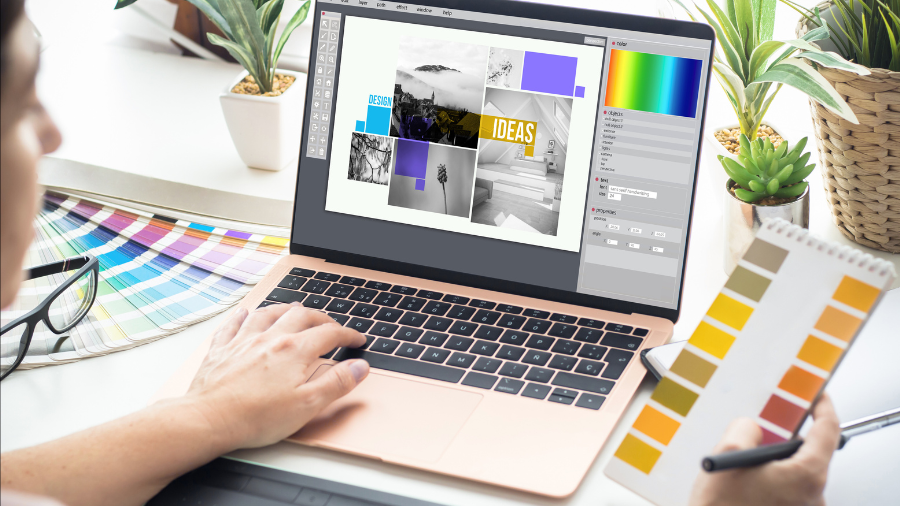
- Use moodboards or Pinterest boards to visually translate your ideas
Ask your designer to return the favor by sharing moodboards, wireframes, or references before diving into the full design.
Step 3 — Deliver Better Feedback
Feedback can make or break the process. The wrong type derails progress; the right type builds momentum.
Don’t say: “Make it pop.”
Do say: “This color feels a little cold. Can we try something warmer that still aligns with the brand palette?”
Quick feedback tips:
- Focus on the big picture first (layout, tone)
- Prioritize issues based on impact
- Be specific and kind
Step 4 — Collaborate, Don’t Control
You hired a designer for their expertise. Once the brief is solid and direction is clear, step back and let them do their magic.
Ways to collaborate better:
- Set checkpoints, not roadblocks
- Give creative freedom within boundaries
- Ask for rationale, not just revisions
The best designs come when both sides bring their best—and trust each other.
Conclusion: Better Design Starts With Better Communication
If you’ve ever said “my designer just doesn’t get me,” know that you’re not alone—and it’s fixable. Clear direction, shared language, and mutual respect are the cornerstones of great design partnerships.