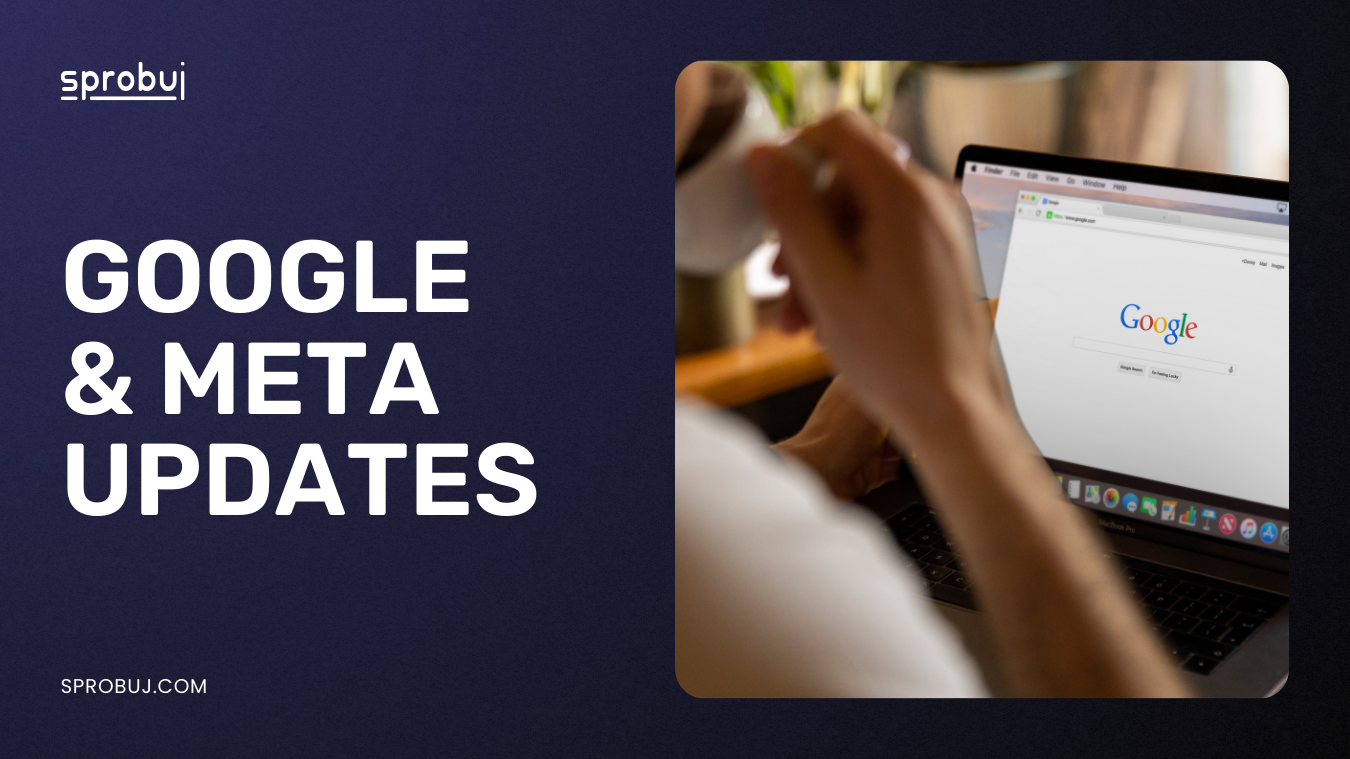
When Google and Meta release updates, businesses often scramble to adjust their digital strategies. These giants can significantly impact how easily potential customers find your business online. Keeping informed about Google and Meta updates ensures your marketing stays effective, your content visible, and your ads profitable.
Let’s dive into recent major updates and explore actionable strategies to adapt quickly and effectively.

Why Google and Meta Updates Matter
Google and Meta regularly update their platforms to enhance user experience, security, and content relevance. These changes influence:
- How your website ranks in search results.
- The visibility and cost-efficiency of your ads.
- Your social media reach and engagement.
Keeping pace with these updates helps avoid disruptions in traffic, sales, and engagement.
Key Google Updates and Their Impact
Core Algorithm Updates
Google’s core algorithm updates target content relevance and quality. Recent updates prioritize:
- Helpful, user-centric content over keyword-stuffed pages.
- Mobile-friendliness and page speed to enhance user experience.
- Secure and accessible websites (HTTPS-enabled).
Google’s Page Experience Update
Google’s recent page experience update factors include:
- Core Web Vitals: Load speed, interactivity, and visual stability.
- Mobile Responsiveness: Optimized websites for mobile devices.
How to Adapt:
- Regularly audit your website for speed and mobile responsiveness.
- Create high-quality, helpful content that answers user queries naturally.
- Optimize images and videos to improve page load times.
Google’s AI-driven Updates
Google increasingly relies on artificial intelligence to determine the intent behind search queries and deliver highly relevant results. Updates like BERT and Google’s recent advancements in generative AI have changed the search landscape dramatically.
How to Adapt:
- Produce content that matches user intent clearly and thoroughly.
- Use conversational language and answer questions directly within your content.
Meta Updates and Your Digital Marketing
Facebook’s Algorithm Changes
Meta (formerly Facebook) updates often affect the visibility of your organic posts. Recent trends include:
- Increased emphasis on video content, especially short-form Reels.
- Prioritizing meaningful interactions over passive content consumption.
Ad Transparency and Privacy
Meta’s changes due to privacy concerns (like iOS privacy policies) mean:
- Reduced precision in audience targeting.
- More transparent ad disclosures.
How to Adapt:
- Increase video content creation, focusing on engaging, short-form videos.
- Diversify ad targeting strategies using broader audiences and lookalike targeting.
- Leverage Meta’s Advantage+ Campaigns to automate and optimize ad performance.
Meta’s Investment in the Metaverse
Meta continues to push into the metaverse, potentially changing the future of social interactions, marketing opportunities, and business engagements.
How to Adapt:
- Begin exploring immersive experiences and virtual reality advertising.
- Keep an eye on emerging tools and platforms offered by Meta for early adoption.

Best Practices for Keeping Up with Google and Meta Updates
- Regular Audits: Consistently review your digital presence and strategy.
- Follow Industry News: Stay updated through reliable marketing blogs and platforms.
- Flexible Strategy: Be ready to pivot quickly based on updates and performance analytics.
- Invest in Training: Educate your marketing team regularly about algorithmic and platform changes.
Conclusion: Staying Ahead with Google and Meta Updates
Understanding Google and Meta updates isn’t optional—it’s essential. Keep your content fresh, your strategy flexible, and your marketing approach proactive.
Need help adapting your strategy? Reach out to us today and ensure your business thrives amidst Google and Meta updates!