For many businesses, marketing is still filed under “expenses” — a cost to be minimized, a budget line to be justified.
But that mindset limits growth from the start. In reality, marketing is a business investment — one of the few that can actively generate returns.
And the way you treat it affects how your company grows, scales, and earns long-term trust.
In this article, we’ll explore why shifting your perspective from cost to marketing ROI changes everything: your strategy, your decisions, and your outcomes.
Marketing doesn’t spend — it compounds
Unlike overhead or fixed costs, marketing is one of the only business functions designed to create revenue.
When done right, marketing:
- Increases brand visibility and trust
- Attracts qualified leads and customers
- Shortens sales cycles
- Builds long-term customer relationships
- Grows audience equity (even when you’re not “selling”)
Each campaign, each email, each ad impression — when strategic — creates value that builds over time.
That’s not an expense. That’s a compounding asset.

The cost mindset leads to bad decisions
When you treat marketing as a cost center, you focus on minimizing spend — not maximizing impact.
This leads to:
- Underfunded campaigns that don’t reach full potential
- Short-term thinking: “What’s the cheapest way to fill seats this week?”
- No room to test or optimize, because every dollar must justify itself immediately
- A reliance on vanity metrics instead of strategy
Result? Inconsistent results and a constant feeling that “marketing doesn’t work.”
How investment thinking shifts your approach
When you think in terms of marketing ROI, you stop asking:
- “How much does this cost?”
and start asking:
- “What do we expect this campaign to return in revenue or growth?”
- “What’s the lifetime value of the customer we’re acquiring?”
- “Where are we getting the best return per dollar — and how can we double down?”
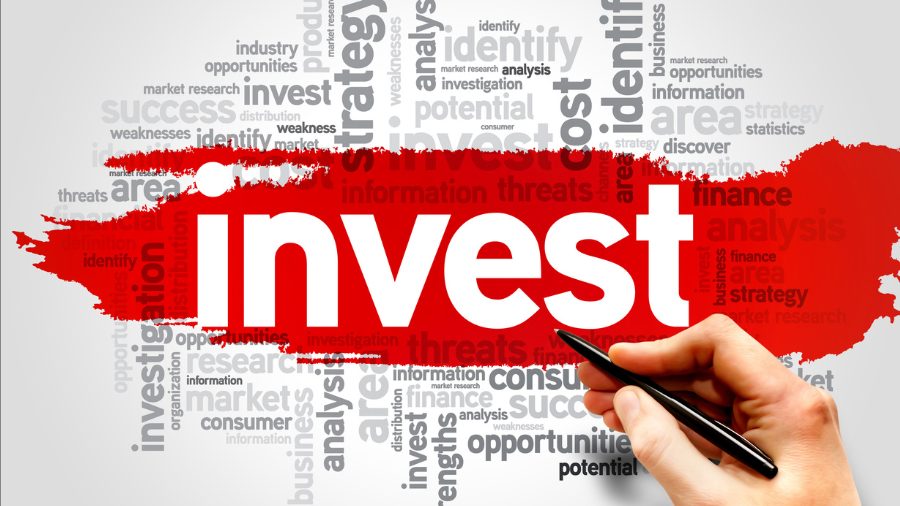
Practical shift examples:
Expense mindset
- “Can we do it cheaper?”
- “Is this worth the spend?”
- “It’s not working after 2 weeks…”
Investment mindset
- “Can we do it better and scale it?”
- “What’s the expected ROI?”
- “What are we learning — and how can we improve it?”
Investors don’t panic when a return takes time — they measure, optimize, and scale. That’s the same approach marketing needs.
What real marketing ROI looks like
It’s not just about clicks or views. It’s about outcomes.
Metrics that signal ROI:
- Cost per acquisition (CPA) vs. average order value (AOV)
- Conversion rates over time
- Repeat purchase rate
- Email subscriber lifetime value
- Customer retention and referrals
If these numbers are tracked and improving, your marketing is performing like an asset — not a liability.
Why it matters across all business stages
For startups:
- Marketing helps validate demand and drive traction
- Smart messaging + targeted ads = early revenue and feedback
For growth-stage companies:
- Investing in brand and CRM improves CAC efficiency over time
- Channel testing and optimization increases return per dollar
For mature businesses:
- Consistent investment in content, automation, and loyalty grows LTV
- Brand equity becomes a competitive moat
In each phase, under-investing in marketing slows momentum — or creates unnecessary plateaus.
Conclusion: Treat marketing like it’s working capital — because it is
Marketing isn’t where money disappears. It’s where money scales — if you treat it like an investment.
That shift in mindset changes everything:
- You plan smarter
- You test with purpose
- You optimize over time
- You think long-term — and build assets, not expenses
So the next time you’re looking at your marketing line item, don’t ask:
“Can we cut this?”
Ask:
“Are we investing enough to grow?”