AI is reshaping marketing—fast.
From generating blog posts to analyzing thousands of data points in seconds, AI marketing tools are saving time, reducing costs, and improving precision. But while automation has made huge leaps, some areas of marketing still require distinctly human thinking—intuition, creativity, judgment, and emotional depth.
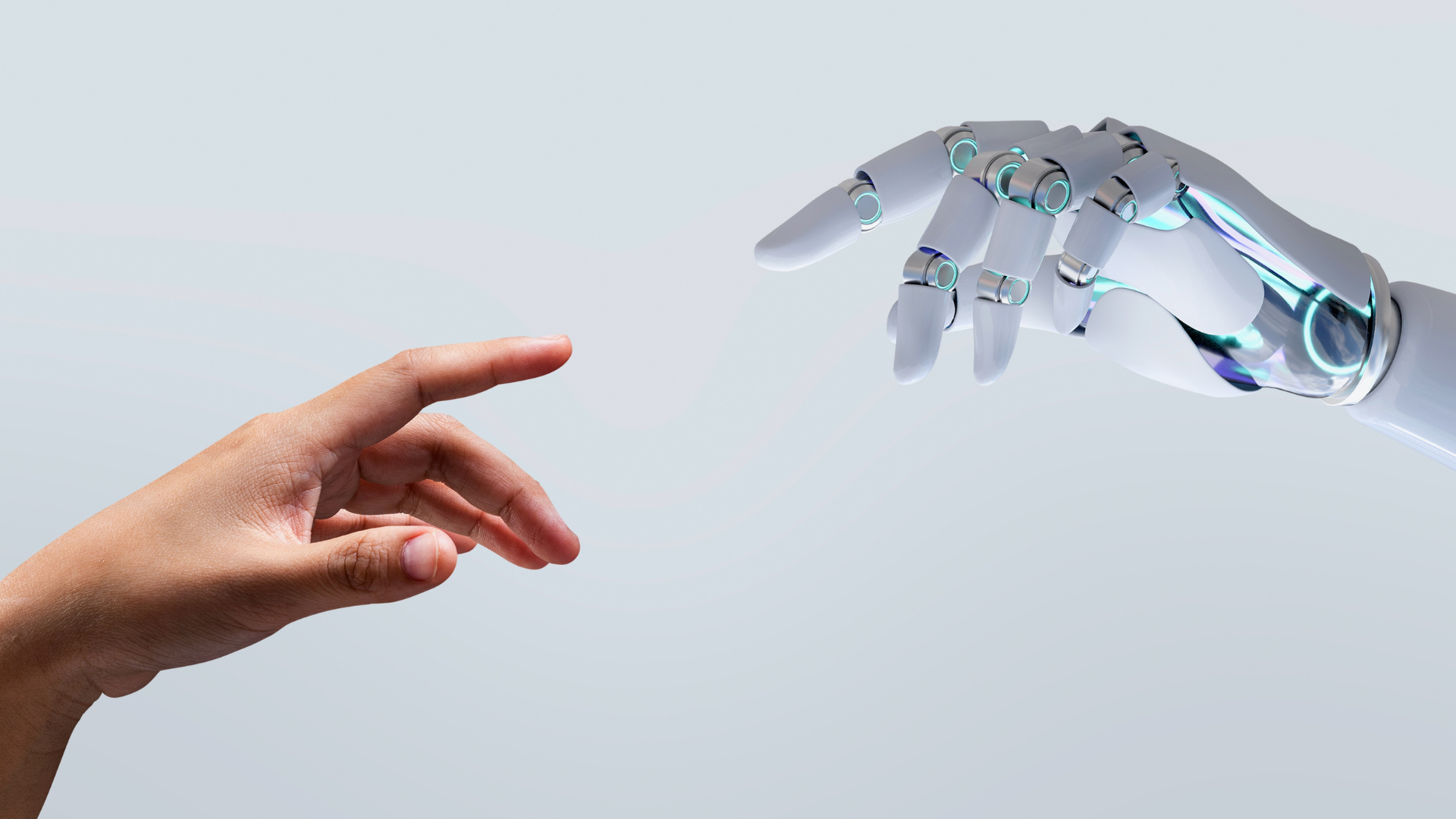
This isn’t about man vs. machine. It’s about knowing what to automate, and what to protect.
Let’s look at where AI shines—and where only people can make the magic happen.
Where AI Marketing Tools Excel
AI is ideal for high-volume, low-context tasks that rely on rules, patterns, or repetition. These include:
- Analytics and reporting (fast data analysis, dashboards, performance tracking)
- Email subject line generation based on open rate history
- Social media scheduling and hashtag suggestions
- Content drafts and outlines for blogs or product pages
- Audience segmentation based on behavioral data
- Predictive trends and sales forecasting
AI makes marketing faster, scalable, and more data-informed. But speed isn’t everything.
Where AI Falls Short—and Why Human Input Matters
These aren’t just “creative” areas. They’re strategic, ethical, and contextual decisions AI can’t handle (yet).
1. Strategy Is a Human Craft
AI can help you execute. But it doesn’t know why you’re marketing—or what outcome you’re chasing.
- What positioning is best for your brand today?
- How should you respond to a shifting market?
- Should you prioritize awareness or retention this quarter?
These are strategic trade-offs. They involve vision, experience, stakeholder alignment, and market understanding—things AI doesn’t possess.
Without a strategist, AI becomes a factory with no blueprint.
2. Human Creativity Connects on an Emotional Level
Sure, AI can write. But can it tell a story that brings someone to tears? Or make them laugh with perfect cultural timing?
True creative thinking involves:
- Contextual humor
- Nuanced tone shifts
- Cultural sensitivity
- Emotional resonance
AI can remix—but original thought, lateral thinking, and emotional insight are still human territory. And often, it’s these subtleties that create the most memorable campaigns.
3. Branding Requires More Than Pattern Recognition
A brand isn’t just fonts and colors—it’s perception, reputation, positioning, and emotion.
Branding decisions often come down to:
- Subtle market differentiators
- Risk-taking and bold moves
- Tone-of-voice consistency
- Navigating sensitive cultural landscapes
AI can help maintain brand guidelines. But maintaining brand integrity requires human guardianship—especially in fast-changing environments.

4. Ethical Marketing Demands Human Accountability
AI doesn’t understand ethics. It can’t grasp privacy concerns, discrimination risks, or social sensitivity.
Only people can weigh questions like:
- “Is this inclusive?”
- “Does this feel manipulative?”
- “Are we respecting user boundaries?”
- “Is this claim fair and evidence-backed?”
AI lacks a moral compass. And in today’s value-driven marketplace, ethics aren’t optional—they’re essential.
5. Real-Time Adaptability and Empathy
If a product launch gets delayed, a crisis hits, or public sentiment shifts overnight—can your AI adjust tone, rewrite a message, or pause an insensitive campaign?
Not without help.
Humans understand empathy, context, and consequences. When a brand needs to respond quickly (and with care), human instinct leads the way.
AI + Human = A Smarter Hybrid Model
The most effective marketing teams in the world aren’t replacing humans with AI—they’re augmenting their strengths.
Let AI handle:
- Data crunching
- Predictive modeling
- First-draft copy
- Process automation
Let humans focus on:
- Brand building
- Strategy and positioning
- High-impact creative
- Relationship-building
- Ethical oversight
Together, they’re faster, sharper, and more resilient.

Conclusion: Know What to Automate—and What to Protect
AI marketing tools are a gift—when used wisely. They streamline the mechanical, enhance the measurable, and unlock new creative possibilities.
But your voice, vision, and values? Those are non-negotiably human.