Choosing the wrong format costs more than money
One of the most common mistakes in website development is launching a full website by default — “just in case.” The result? Extra costs, longer timelines, scattered messaging, and no clear outcome.
Before you worry about platforms or design, ask yourself one critical question:
Do you need a landing page — or a full site?
This article gives you a clear, practical framework for choosing the right format for your project — based on your real business goals, not assumptions.
What’s a landing page, and when is it the right choice?
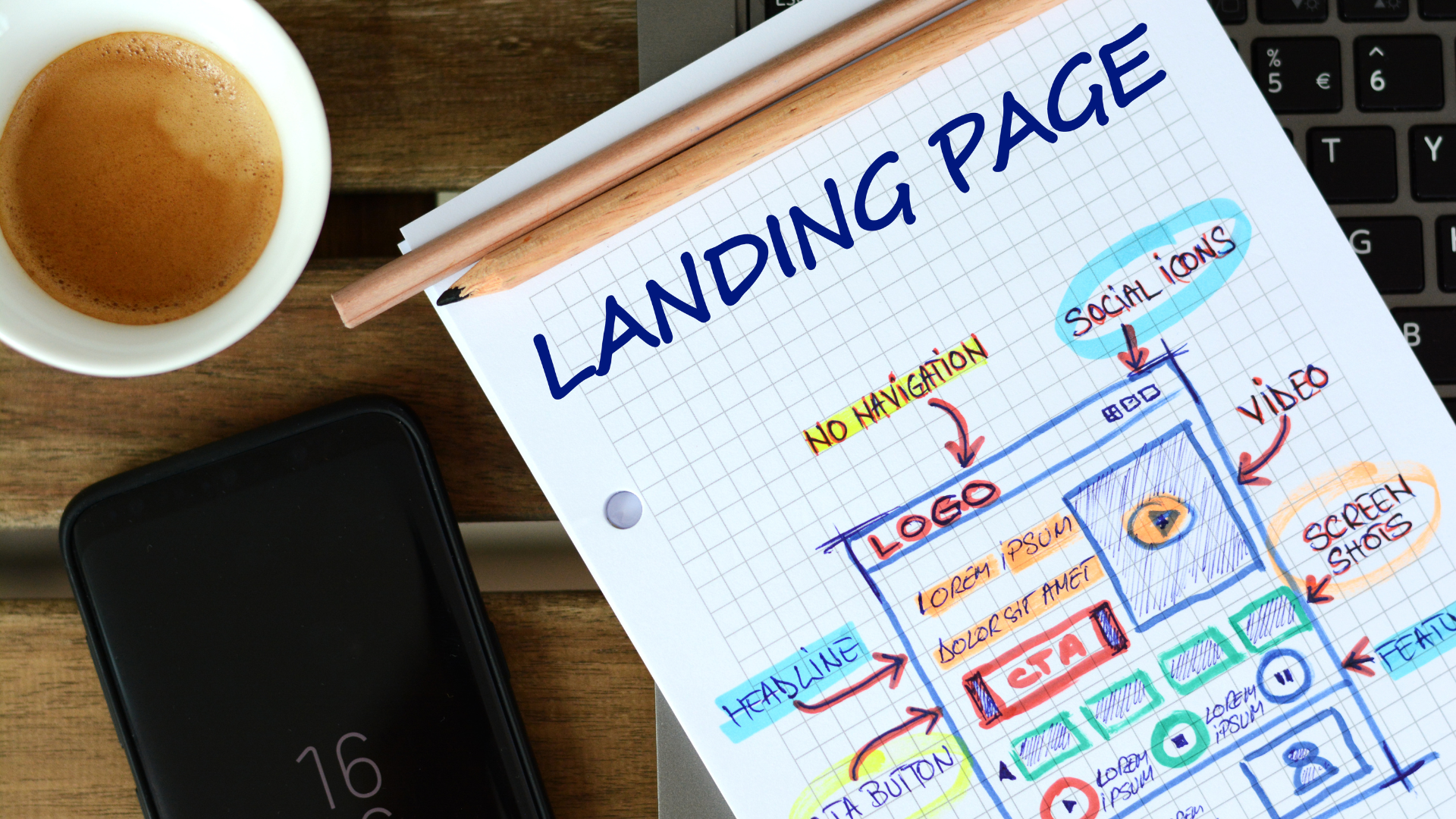
A landing page is a single, focused page built around one specific goal: selling a ticket, collecting an email, getting a registration, etc.
It’s not meant for browsing. It’s built for action.
Use a landing page when:
- You’re running a time-limited campaign or event
- You want users to do one thing (buy, sign up, register)
- You’re testing an idea or MVP
- You’re driving paid traffic from ads (Meta, Google, TikTok)
- You don’t need SEO or long-form content
Why it works:
- Less distraction = higher conversion
- Simple to build and easy to launch
- Clear data: one funnel, one goal
- Lower cost and faster validation
Best practice: Unbounce, HubSpot, and Webflow all recommend landing pages as the default for any campaign with a single, measurable CTA.
When do you need a full website?
A website is a multi-page structure designed for exploration, trust-building, and long-term presence. It supports SEO, multiple audiences, and complex content needs.
Choose a full website when:
- You offer multiple products or services
- You want to establish brand credibility and showcase your team
- You need blog content, case studies, or resources
- You’re investing in organic search traffic
- Your project has long-term goals or multiple user paths
Why it matters:
- A website supports layered messaging
- It enables content marketing and long-term SEO
- It allows you to speak to multiple types of users
- It scales with your business
Insight: According to Nielsen Norman Group, users expect structure and transparency from professional websites. If they can’t find it — they don’t trust it.
Landing page vs website: A quick comparison
| Project Goal | Best Format | Why |
| Sell tickets to just a one event | Landing Page | One focus, fewer clicks |
| Collect pre-launch email signups | Landing Page | Fast setup, clear CTA |
| Present your agency, festival, or brand | Full Website | Multiple pages, long-term trust |
| Promote different services or offers | Full Website | Needed for structured navigation |
| Test an idea with a simple offer | Landing Page | Easy to validate with ads |
| Rank on Google and attract organic traffic | Full Website | Content structure + SEO foundation |
Common mistake: “Let’s build a full site… just in case”
This leads to:
- Unfocused messaging
- Bloated navigation
- Higher bounce rates
- Delayed launches
- Higher development costs
- No clear conversion path
You don’t need a full website for every launch. Often, it’s better to start with a simple, well-structured landing page — then expand.
Can you start with a landing page and grow later?
Yes — and you should.
A smart approach is to launch lean, validate the offer, collect data — and expand into a full website only when it makes sense.
Platforms like Webflow, WordPress, and Squarespace allow you to scale from one page to a full site without rebuilding from scratch.
How to decide: goal → structure → format
Start with these three questions:
- What action do you want the user to take?
- How much information do they need to take it?
- How many types of users do you need to speak to?
This gives you a clear decision tree.
If you’re guiding one type of user to one action — landing page.
If you’re explaining, segmenting, or scaling — full website.
Conclusion
- A landing page is ideal for short-term campaigns, focused goals, and fast action
- A full website is right for long-term growth, layered messaging, and trust-building
Choose structure before design. Focus before features.
The best websites — whether one page or ten — are built to guide action, not to look impressive.
Still unsure what format fits your project?
We’ll help you clarify your goals and build a structure that makes sense — whether it’s a high-converting landing page or a full website that grows with you.
Let’s make it simple and strategic from the start.