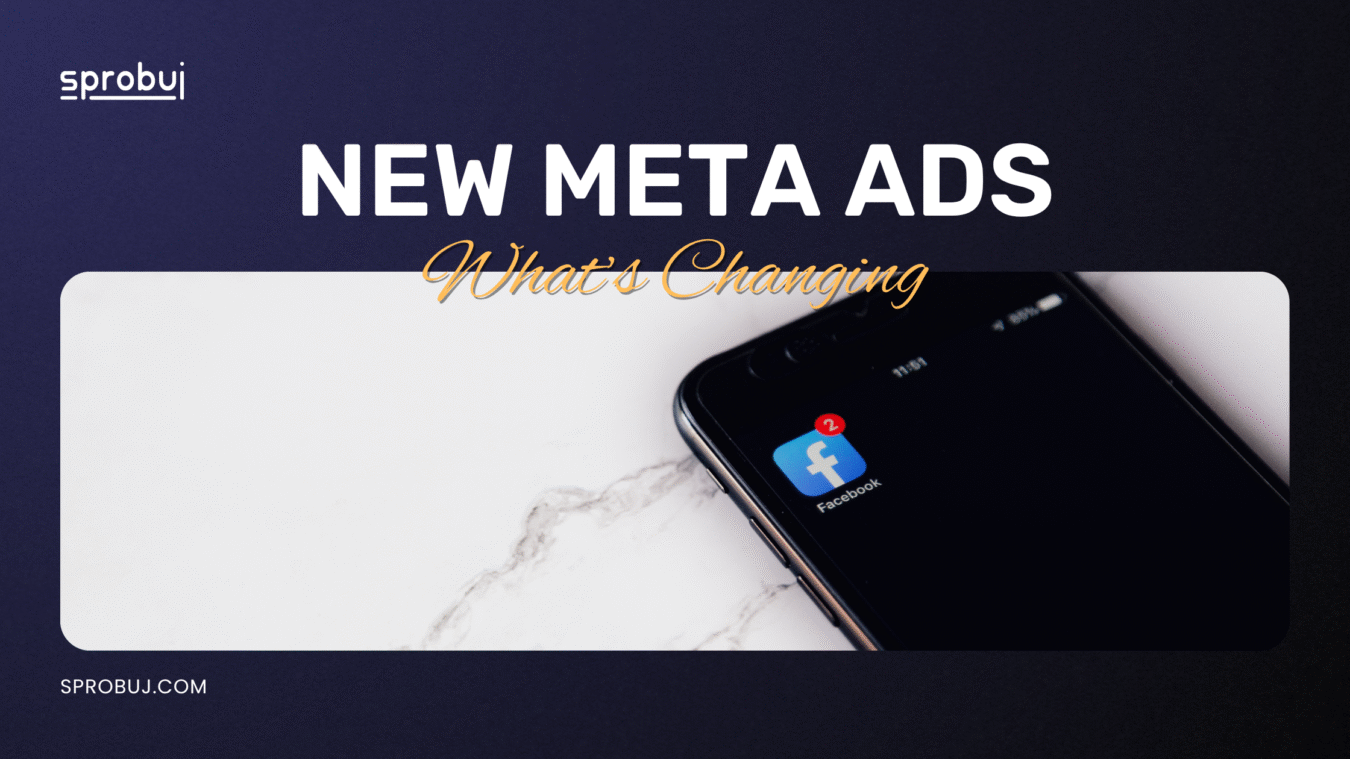
Meta Ads have come a long way from simple image ads on Facebook. In 2025, we’re looking at AI-generated creatives, automated placements, and even AR product demos.
But just because something is new doesn’t mean you should use it right away. Some features work brilliantly; others can quietly burn through your budget if not managed well.
Here’s your real-world guide to what’s changed, what’s worth testing, and what to steer clear of — all to help you sharpen your Meta Ads strategy.
What’s New in Meta Ads (2025 Highlights)
1. AI Creative Tools (Use With Strategy)
Meta now offers AI-generated ad creatives based on your brand voice, campaign objective, and past performance.
Why it’s useful:
- Saves time on design and copy
- Great for testing multiple variations quickly
- Helps small teams run full creative testing cycles
But avoid:
Blindly trusting it. AI still needs a human eye. Its copy can be generic or tone-deaf, and image suggestions may miss your brand’s nuance.
Pro tip: Use AI for speed, but finalize creatives manually — especially for brand-focused campaigns.

2. Automated Placements and Budget Scaling (Use Carefully)
Meta’s system can now fully automate where, when, and how your ads are shown — including scaling budgets automatically when performance is “strong.”
Why it’s useful:
- It can help small advertisers compete on reach
- Learns quickly and finds surprising opportunities
But avoid:
Turning it all on from day one. If Meta misreads your early signals, it can overspend fast on low-quality traffic.
Pro tip: Start with manual controls. Let AI take over after you confirm performance signals (ROAS, not just CTR).
3. Augmented Reality (AR) Ads (Use for DTC or Experience Products)
AR Ads are now easier to deploy — users can “try on” products, visualize furniture in their home, or interact with 3D versions of your offer.
Why it’s useful:
- Boosts engagement
- Useful for fashion, beauty, interiors, events
But avoid:
Using AR just because it’s trendy. If your product doesn’t benefit from visualization or interaction, AR may feel forced.
Pro tip: Test it on one campaign with clear engagement goals before scaling.
4. Threads Ad Integration (Test Slowly)
Meta has begun testing ads on Threads, its Twitter-like platform, which is still building an active user base.
Why it’s interesting:
- Early placement = lower CPC
- Great for brand awareness
But avoid:
Expecting conversions. Threads isn’t yet optimized for DTC performance.
Pro tip: Use for top-of-funnel storytelling. Think “introduce, entertain, and follow” — not “click here to buy.”

5. Advanced Audience Modeling (Use with Caution)
Meta now offers deeper interest clustering and modeled behavior segments based on AI analysis.
Why it’s useful:
- Better segmentation
- Smart lookalikes from limited data
But avoid:
Over-reliance. Some modeled audiences are too broad or based on incomplete signals.
Pro tip: Combine AI-modeled audiences with high-performing custom lists (like engagers or purchasers) to stay grounded.
What to Skip or Watch Closely in 2025
✘ Broad “Advantage+” Campaigns for New Products
If you’re launching something new, avoid giving Meta full control too soon. Advantage+ campaigns can work for scaling, but need training data.
✘ One-Size-Fits-All Creative
Dynamic creative tools are tempting — but don’t skip manual refinement. Brand tone, humor, and context still need your voice.
✘ Ignoring Landing Page Alignment
Even with great ads, poor landing page experience kills conversions. Make sure mobile speed, layout, and messaging match the ad promise.

Best Practices to Adjust Your Strategy in 2025
- Start narrow, scale with AI: Begin with high-intent segments and controlled budgets. Expand when performance stabilizes.
- Review AI creative before going live: Never run an ad without a human check — especially for brand-sensitive verticals.
- Use AR and video storytelling strategically: Match immersive formats to products that benefit from tactile, visual experiences.
- Watch early results like a hawk: AI learns from what you feed it. Monitor closely in the first 48–72 hours.
Conclusion
Meta Ads in 2025 are smarter, faster, and more complex than ever. The tools are powerful — but only if you know when to use them and when to hold back.
Use AI as a helper, not a replacement. Segment wisely, test iteratively, and make sure your strategy drives the tech — not the other way around.
Need help reworking your Meta Ads setup? Let’s design a performance-driven campaign that’s actually built for this new ecosystem.