You’re investing in marketing and marketing strategy. You’re buying ads, running social media, hiring freelancers. And still — no consistent growth, no real numbers, and no clear link to sales.
Why?
Because marketing isn’t working as a system. It’s scattered, reactive, and disconnected from your business model. If you want real marketing results, you need more than tactics — you need a marketing strategy that functions as a business tool.
Let’s break down how to make that shift.
1. Advertising is not the same as marketing
Most “marketing” efforts look like this:
- Run a Facebook ad.
- Post a graphic with a promo.
- Sponsor a blogger.
- Hope for traffic.
This isn’t marketing. This is sporadic promotion.
Real marketing includes:
- understanding your audience,
- guiding them through a funnel,
- aligning creative with data,
- measuring results and optimizing.
Compare:
| Advertising | Strategic Marketing |
| One-time execution | Long-term system |
| Driven by budget | Driven by business goals |
| Random audience targeting | Clear positioning and segmentation |
| No reporting | Consistent tracking and analysis |
2. Why ad-hoc actions don’t lead to growth
Here’s what happens without a strategy:
No clear goal
“We want more sales” is not a goal.
“This campaign should generate 50 leads under $15 each” — that’s a goal.
No funnel
People click your ad and land on the homepage. Then they leave. No next step. No CTA. No retargeting.
No tracking
Campaigns run without GA4, Meta Events, or any attribution model. You have no idea what worked.
No accountability
No plan. No check-in. No lessons learned. Just the feeling: “I guess marketing doesn’t work for us.”
3. What it looks like when marketing becomes a business asset
Strategic marketing supports business decisions. It delivers consistent value — not random spikes.
You know marketing is working when:
- Every campaign is tied to a business goal.
- You understand where leads are coming from and how much they cost.
- You have weekly reports, benchmarks, and clear next steps.
- You can project future growth based on performance, not assumptions.
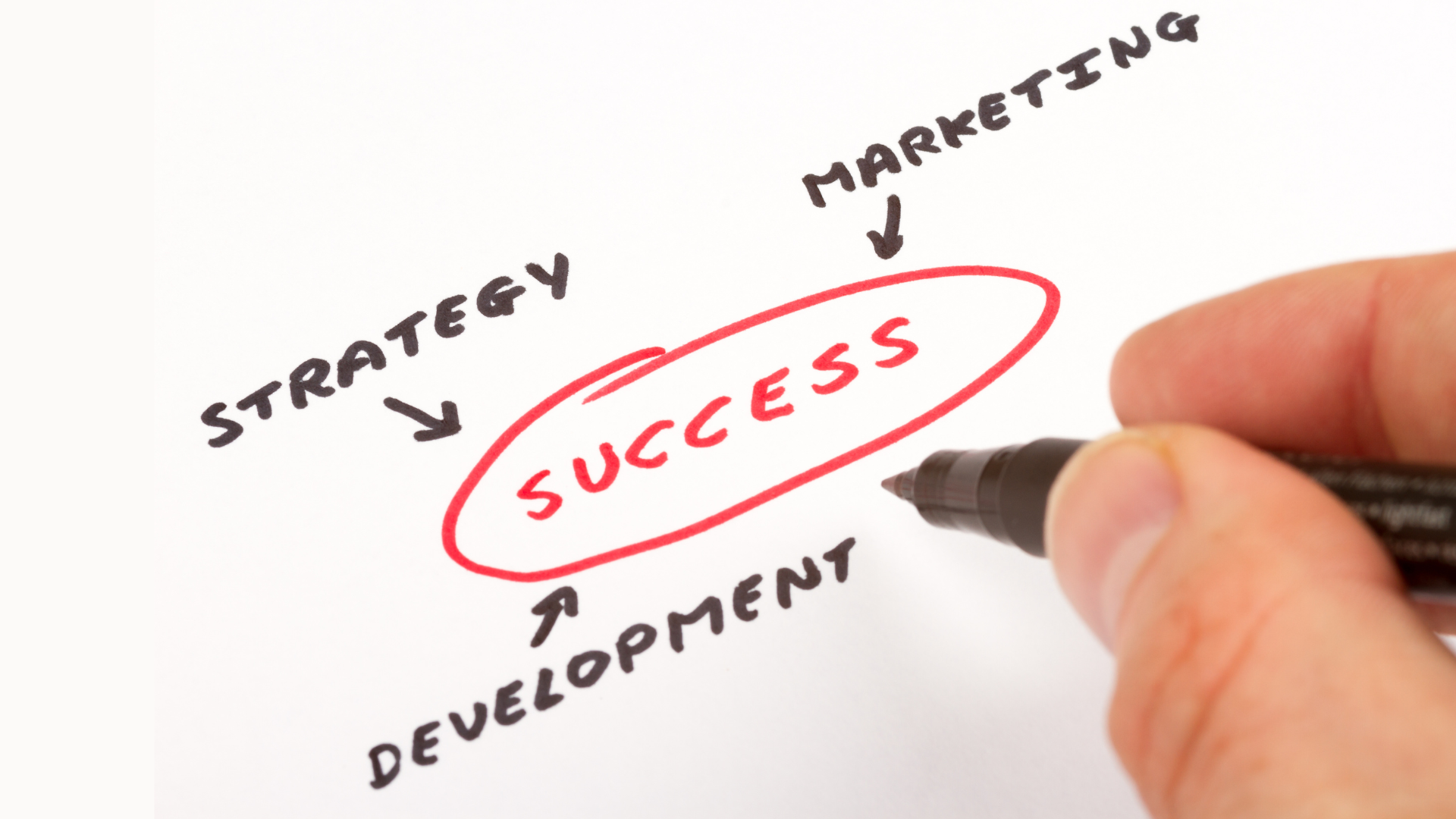
Marketing strategy turns into leverage — not an expense.
4. How to build a system (not just a campaign)
If your current marketing feels chaotic, start here:
Step 1. Define a real business goal
Example: Increase repeat purchases by 30% in Q3.
Step 2. Choose one product and one funnel
Keep it simple. Don’t scale chaos — build clarity first.
Step 3. Set up tracking
Use tools like GA4, UTM links, Meta Pixel, and CRM integrations. Know what happens after the click.
Step 4. Document your tests
Write down what you tried, what worked, and what didn’t. This is how you improve.
Step 5. Review and optimize regularly
Weekly or biweekly — check results, compare to goals, and adjust the strategy.

Conclusion
Marketing isn’t a cost center. It’s not something you “try.”
It’s a system — one that can generate scalable, repeatable growth when treated as a business function.
If your current approach is draining budget without delivering results, it’s time to stop running ads and start building a strategy.
Because marketing strategy isn’t about being visible — it’s about being intentional and effective.
If you’re ready to stop guessing and start using marketing as a growth engine, let’s talk.
We help businesses turn scattered efforts into systems — and systems into sales.