In event marketing, it’s common to broadly define audiences as “women aged 35+” or “young professionals.” Unfortunately, this vague approach rarely delivers the results you’re aiming for.
Your real audience isn’t just an age or gender statistic—it’s people with specific behaviors, expectations, barriers, and content preferences. To connect effectively, you need to speak their language clearly and directly.
In this article, we’ll explore how we identified and structured our core audience for a recent cultural project, segmented them effectively, and developed tailored communication strategies.
Step 1: Going Beyond Demographics
To build a successful event marketing strategy, we first move beyond demographic details to explore deeper insights:
- Behaviors: How do they usually discover and choose events?
- Expectations: What specific outcomes do they expect from attending (networking, learning, emotions)?
- Barriers: What prevents them from participating (cost, location, misunderstanding of the format)?
- Preferred Content Formats: What type of content resonates best (short videos, engaging stories, podcasts)?
By understanding these elements, we develop richer and more accurate audience segments.
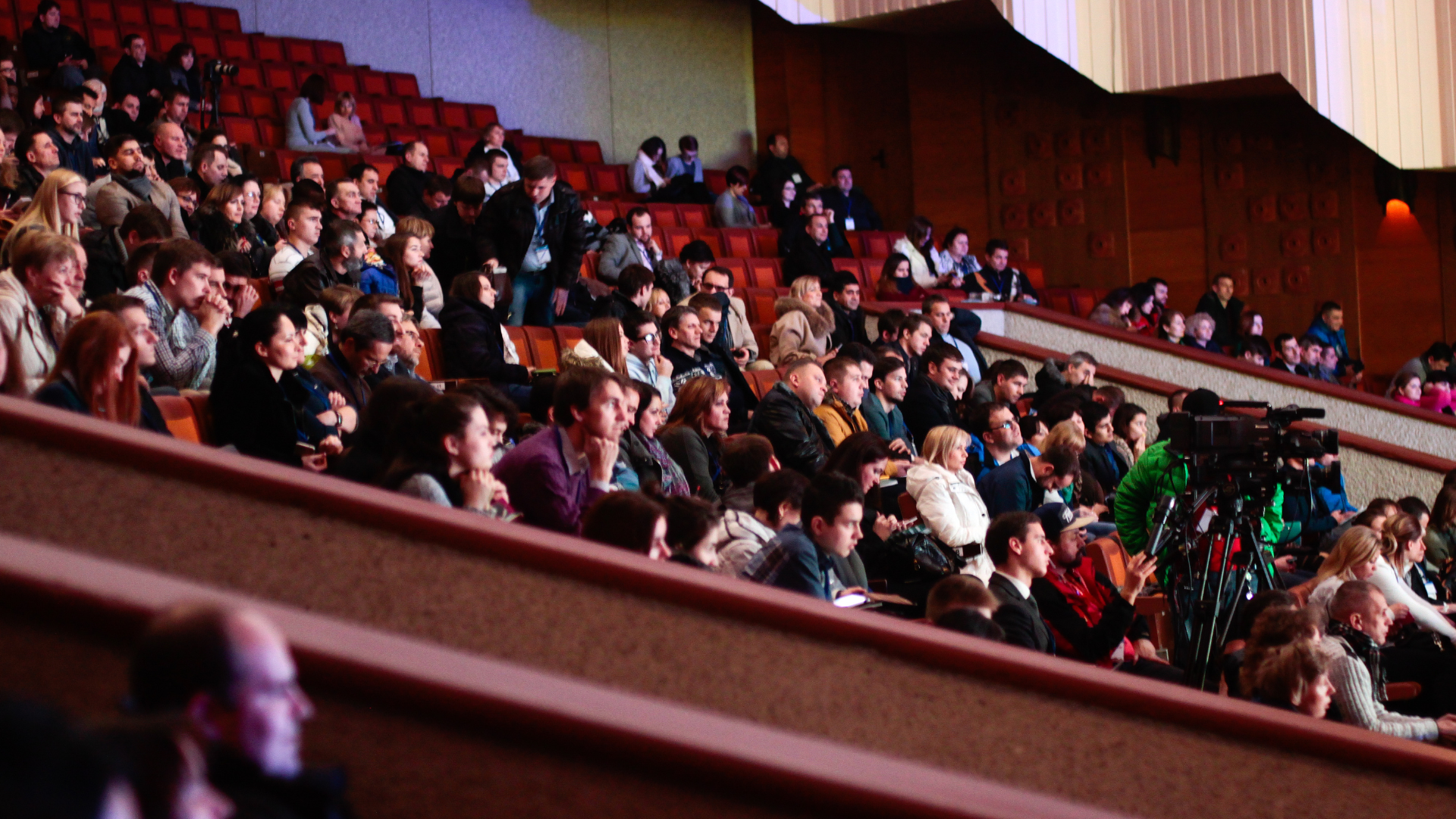
Step 2: Structuring Audience Segments
After gathering detailed information, we segment our audience clearly:
- Cultural Enthusiasts: Attend events regularly, seeking deep and engaging cultural experiences.
- Curious Beginners: Interested in culture but hesitant due to uncertainty about the experience.
- Skeptics: Require convincing through strong evidence, clear value, and testimonials.
For example, in our cultural project, we realized that “women 35+” actually included two distinct segments:
- Segment A (Enthusiasts): Regular event-goers seeking depth and connection.
- Segment B (Beginners): Interested but cautious about attending cultural events for the first time.
Step 3: Testing Hypotheses in Communication
We always test our hypotheses to ensure communication resonates with our identified segments:
- Micro-tests in Social Media: A/B testing various messages through Instagram and Facebook ads.
- Interactive Stories and Polls: Using quick surveys in Instagram Stories to validate audience preferences.
- Analytical Insights: Monitoring engagement metrics such as clicks, shares, and registrations.
Real-life Example:
- Segment A (Enthusiasts): Responded positively to deeper, behind-the-scenes content, resulting in a 45% increase in engagement.
- Segment B (Beginners): Preferred simple, explanatory videos, which boosted event registrations by 30%.
Step 4: Speaking Your Audience’s Language
Once we’ve confirmed our audience segments, we tailor our communication to their specific needs:
- Clear and Friendly Language: Keep messages simple and jargon-free.
- Addressing Real Concerns: Directly speak to audience worries, such as event complexity, cost, or accessibility.
- Encouraging Dialogue: Ask questions, encourage responses, and create conversations.
- Personalized Messaging: Make your audience feel seen by personalizing messages to their identified needs.

Example of effective communication:
“Want to explore cultural events but unsure where to start? This event is designed especially for first-timers—simple, engaging, and welcoming!”
Quick Checklist for Effective Audience Communication
✅ Conduct targeted surveys and research audience behavior.
✅ Clearly segment audiences based on behavior, expectations, and barriers.
✅ Test communication strategies with targeted small-scale campaigns.
✅ Regularly monitor and adjust your strategy based on audience feedback.
✅ Communicate clearly, simply, and personally.
Conclusion
Effective event marketing begins with understanding who your audience truly is—not just superficial demographics, but their motivations, barriers, and preferences. When you clearly understand and speak directly to these factors, your communication becomes significantly more impactful and effective.
Ready to truly understand your audience and speak their language? Contact us today, and we’ll help build a precise, effective event marketing strategy tailored to your project’s unique audience.