“Get us 100 leads this week.”
“Here’s the banner — just launch it.”
“We already have everything — you just set it up.”
Sound familiar?
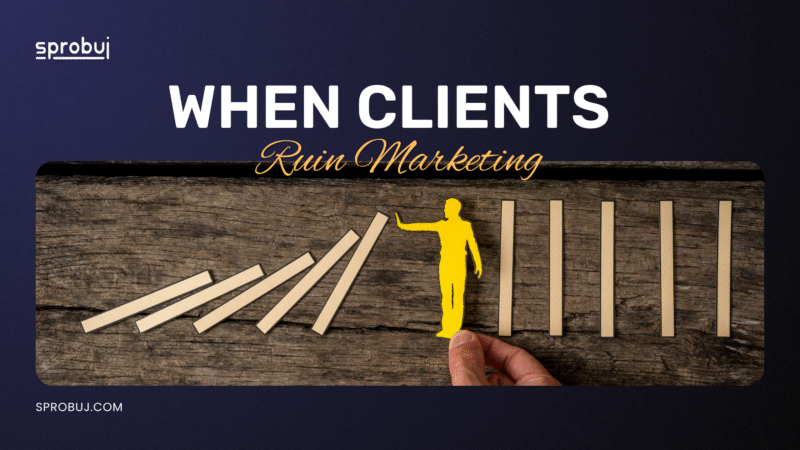
These requests still show up every day — and they’re the #1 reason campaigns fail before they even begin.
In 2025, marketing results don’t come from magic buttons or ‘just posting an ad.’ They come from system thinking: structured testing, clear funnels, real analytics, and strong client collaboration.
 Let’s break down how expectations go wrong — and how we turn chaos into strategy.
1. Leads ≠ Sales. And leads alone aren’t results
The classic request: “We want 100 leads by Friday.”
Technically? Sure, we could do that.
But in reality:
- the landing page isn’t mobile-friendly (and 88% of traffic is mobile now);
- there’s no CRM or auto-responder in place;
- the offer is vague or too broad;
- there’s no one to handle incoming requests in real time.
So even if we deliver 100 leads, there are:
- no replies,
- no conversions,
- no real marketing results.
What we do instead:
- Clarify what “lead” actually means — call? form? newsletter sign-up?;
- Check funnel readiness — website, offer, processing speed;
- Run a test first: 5–7 days, small budget, multiple creatives, so we know the real numbers.
2. “Just launch the ad” means no one knows the goal
It sounds simple: “Just run it.”
But in 2025, digital marketing is more complex than ever:
- Meta’s algorithm changed again;
- GA4 is the new standard, but many businesses still don’t use it;
- Without a clear campaign goal (awareness, leads, engagement, sales), your ad is a shot in the dark.
Failure scenario:
- The client wants conversions but runs a campaign optimized for reach;
- The creative is generic, the CTA is vague, and the landing page is the home page;
- No tracking is in place — so no one even knows what’s working.
What we do:
- Define one clear goal — and connect it to a measurable action;
- Build a clean, testable structure: creative → landing → action → result;
- Document all of it in a short media plan so everyone’s aligned.
3. Having a creative doesn’t mean it’s effective
“We already have a design — just run it.”
We open the file and find:
- a static, square banner (not optimized for Reels or Stories);
- text-heavy visuals that get penalized by Meta;
- copy like “Experience the atmosphere” — poetic, but with no hook, offer, or CTA;
- unreadable font on mobile, no scroll-stopper effect.
In 2025, creative has to be:
- dynamic (motion beats static 9 out of 10 times);
- vertical, fast-paced, and attention-grabbing in the first 1.5 seconds;
- crystal clear on the offer and CTA;
- tailored to the platform and audience behavior.
What we do:
- Build 3–4 creative variants for each platform (TikTok, Reels, Stories, Feed);
- Run rapid A/B tests to find what resonates;
- Help the client shift from “let’s make it look nice” to “let’s make it convert.”
4. We turn expectations into strategy
We don’t argue with big goals. We translate them.
If someone says: “I want 100 leads” — we calculate what it actually takes:
- how many impressions,
- what click-through rate,
- what conversion rate,
- what kind of budget that requires.
If the internal team is small — we simplify the funnel so no one’s overwhelmed.
 If the budget is tight — we laser-focus on high-intent, narrow audiences instead of wasting money on reach.
We structure it like this:
- 1 clear goal
- 2 hypotheses
- 3 creative variants
- 7-day test window
- 1 weekly report + analysis
- Ongoing optimization based on results
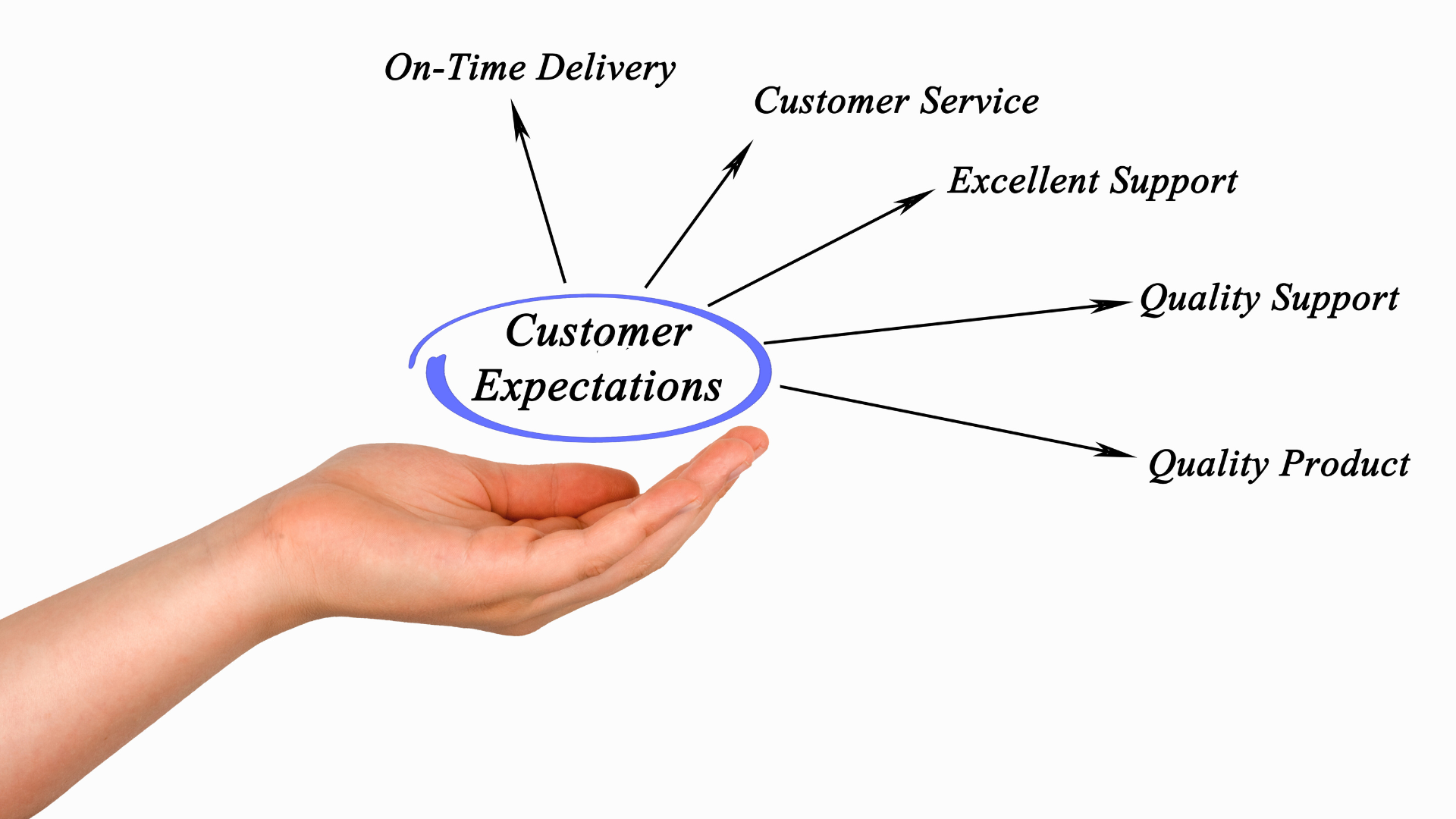
Now we’re not “just launching ads.” We’re building a scalable system.
Conclusion
In 2025, marketing results come from strategy — not from ads alone.
Success means syncing your expectations with systems: testing, analysis, creative strategy, clear roles, and aligned messaging.
If you’ve been disappointed by pretty designs and big promises that didn’t deliver — let’s work differently this time.
Want a marketing system that runs on logic, not luck?
Let’s turn your goals into a working machine — one that scales and brings real results.