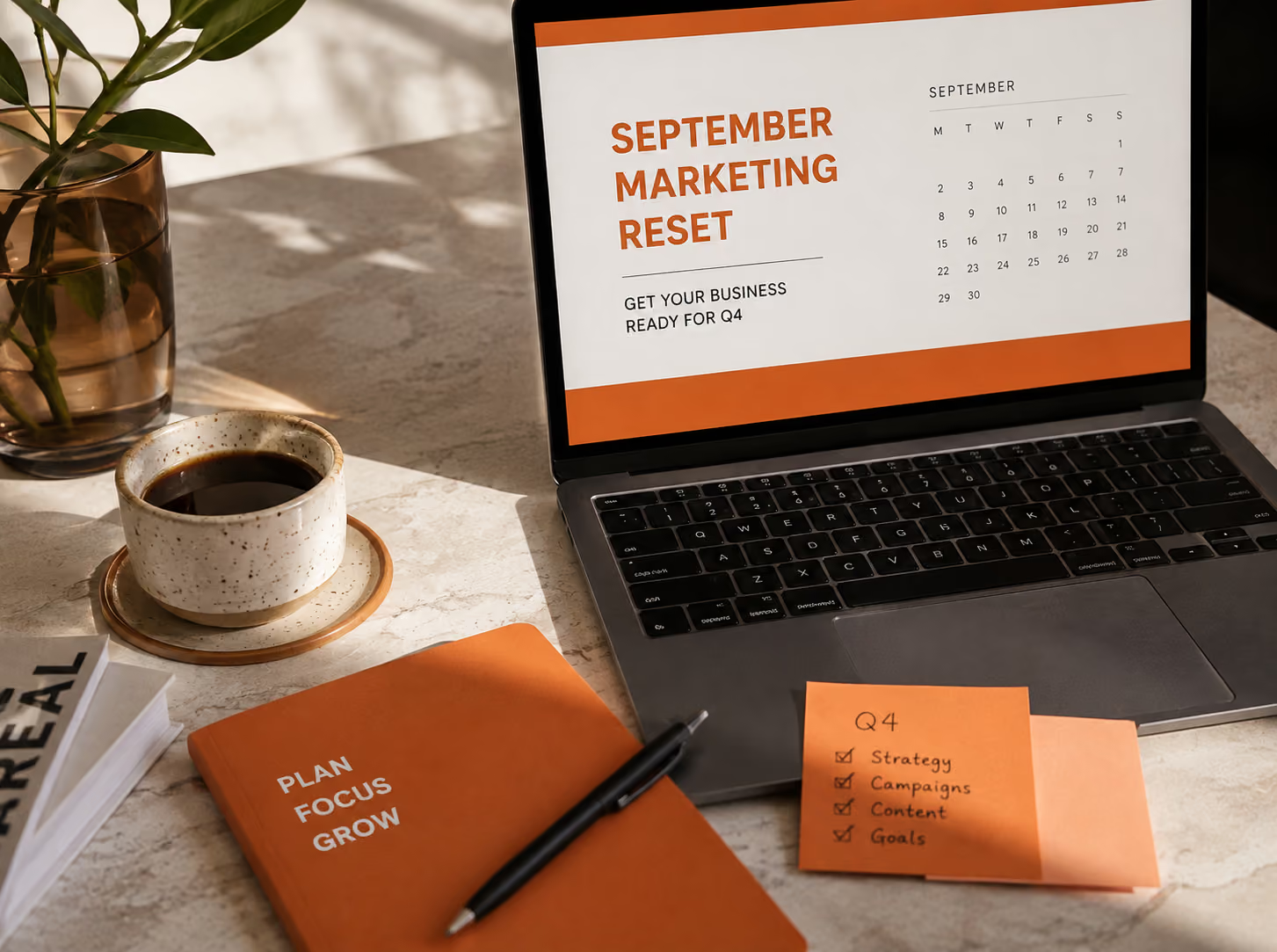
September Is the New January. At least when it comes to marketing.
Technically, the year is already two-thirds over. Emotionally, however, everyone suddenly behaves like January 2nd.
- Calendars fill up.
- Slack gets louder.
- Projects that spent July quietly sitting in someone’s notes app suddenly become “a priority.”
- Meetings return from the dead.
- And somewhere, someone says: “We should probably start thinking about Q4.”
Welcome back.
Of course, this isn’t true for every business. For tourism, hospitality, festivals, outdoor brands, and plenty of seasonal businesses, summer can be the busiest time of the year.
But from what we see working with different companies and projects, July and August often have a very different rhythm. People travel. Decision-makers disappear for two weeks. Then another decision-maker disappears for two weeks. Emails receive the legendary: “I’m currently out of office with limited access to email.” And things that would normally take three days somehow take three weeks.
Then September arrives. And suddenly, everyone is awake again.
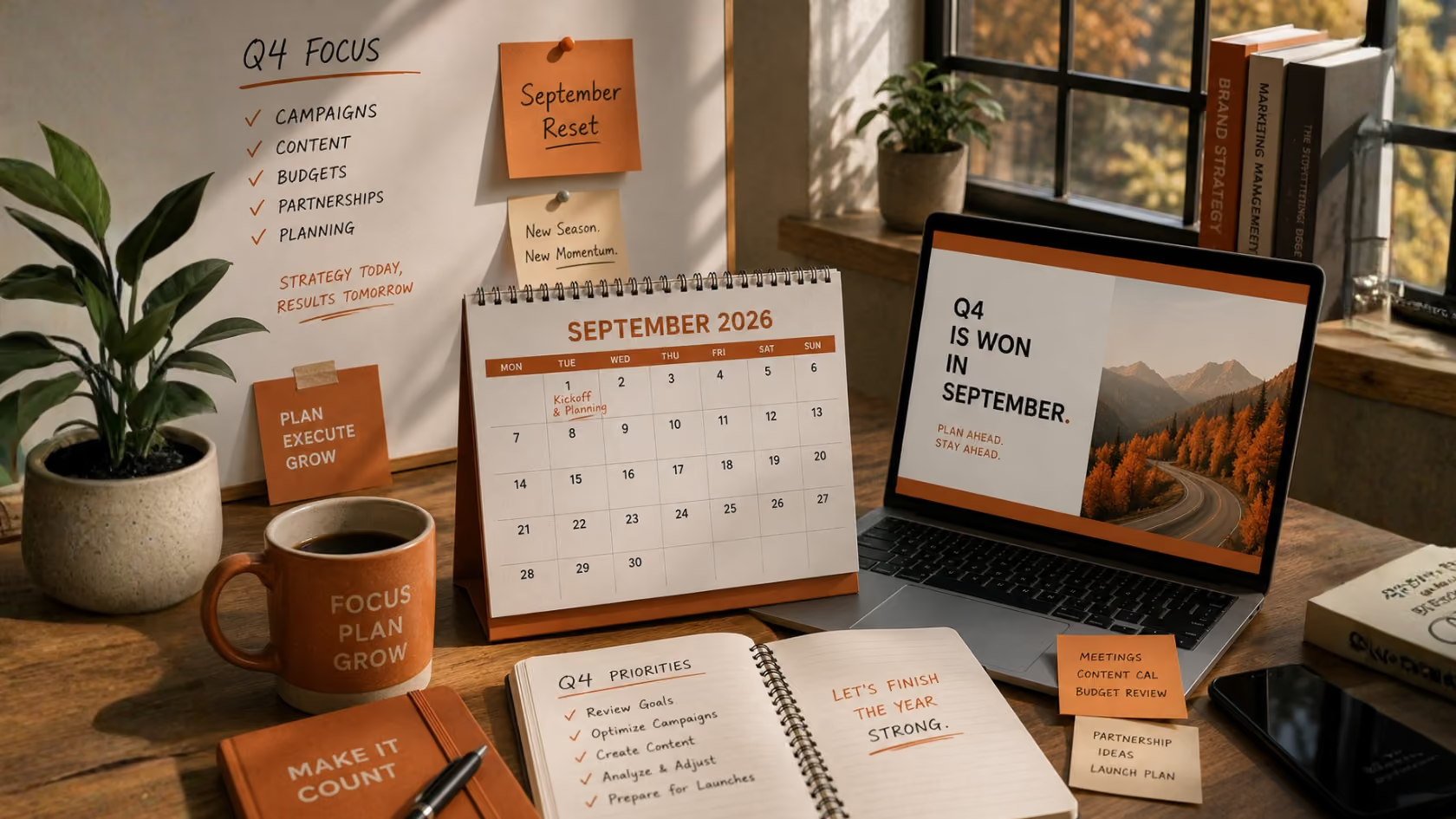
The unofficial business New Year
There is a reason September feels like a reset.
- People are back from vacation.
- Kids are back at school.
- Teams are back together.
- Budgets are being reviewed.
- Projects that were postponed until “after summer” have officially reached after summer.
There is also Q4 sitting right around the corner, casually reminding everyone that Black Friday, holiday campaigns, year-end targets, events, launches, and 2027 planning are much closer than they appeared from a beach chair in July.
So while January gets all the credit for fresh starts, September might actually be one of the most important planning moments for businesses.
Especially in marketing.
And no, we don’t mean making a 47-slide strategy deck called Q4 MASTER PLAN FINAL_v6. We mean getting clear about what actually needs to happen next.
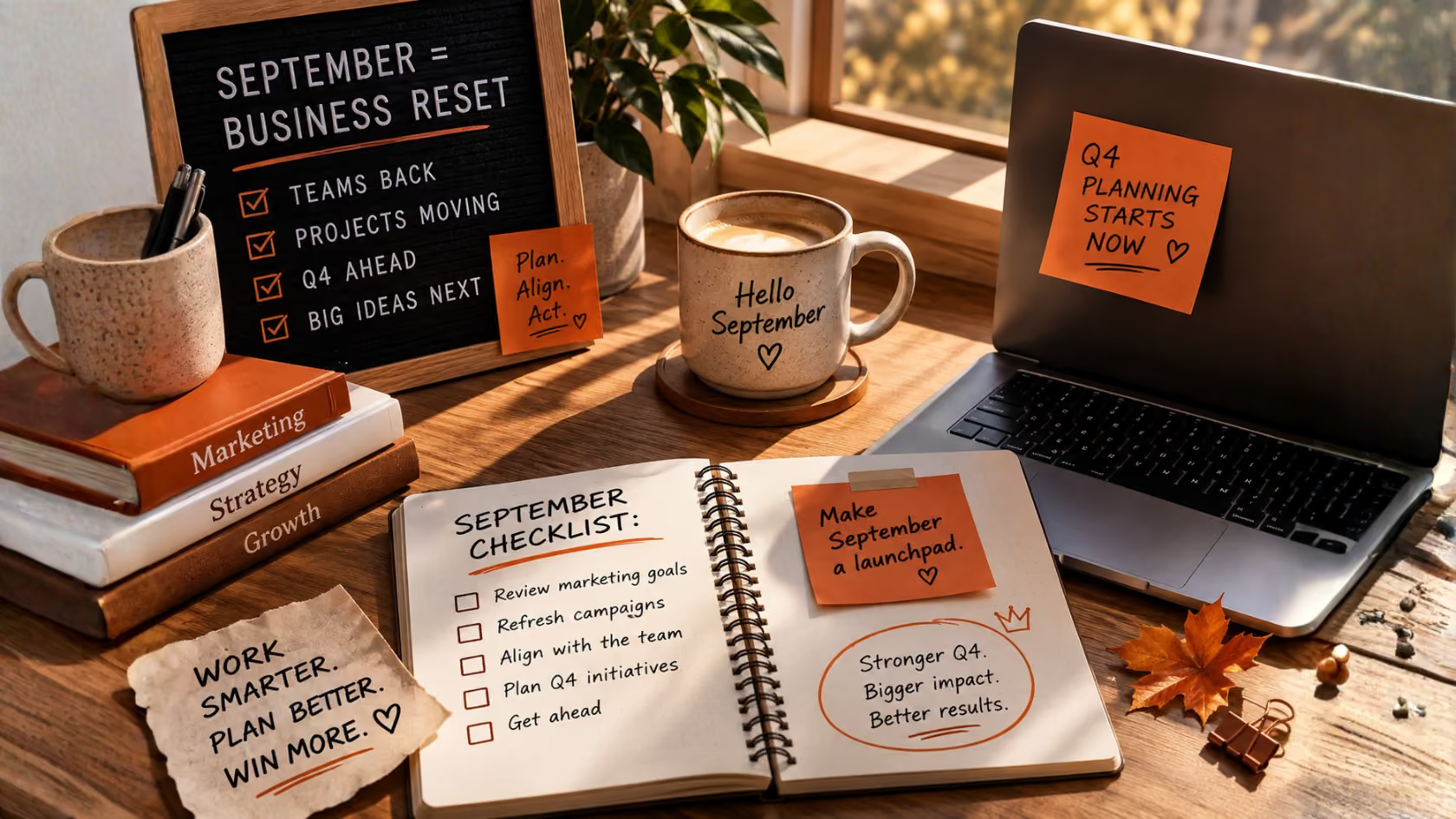
Before launching anything, look around
September often creates an urge to do more.
- More campaigns.
- More posts.
- More ads.
- More emails.
- More everything.
Sometimes that’s exactly what a business needs. Sometimes it isn’t.
Before adding another campaign to the calendar, this is a good moment to look at what you already have.
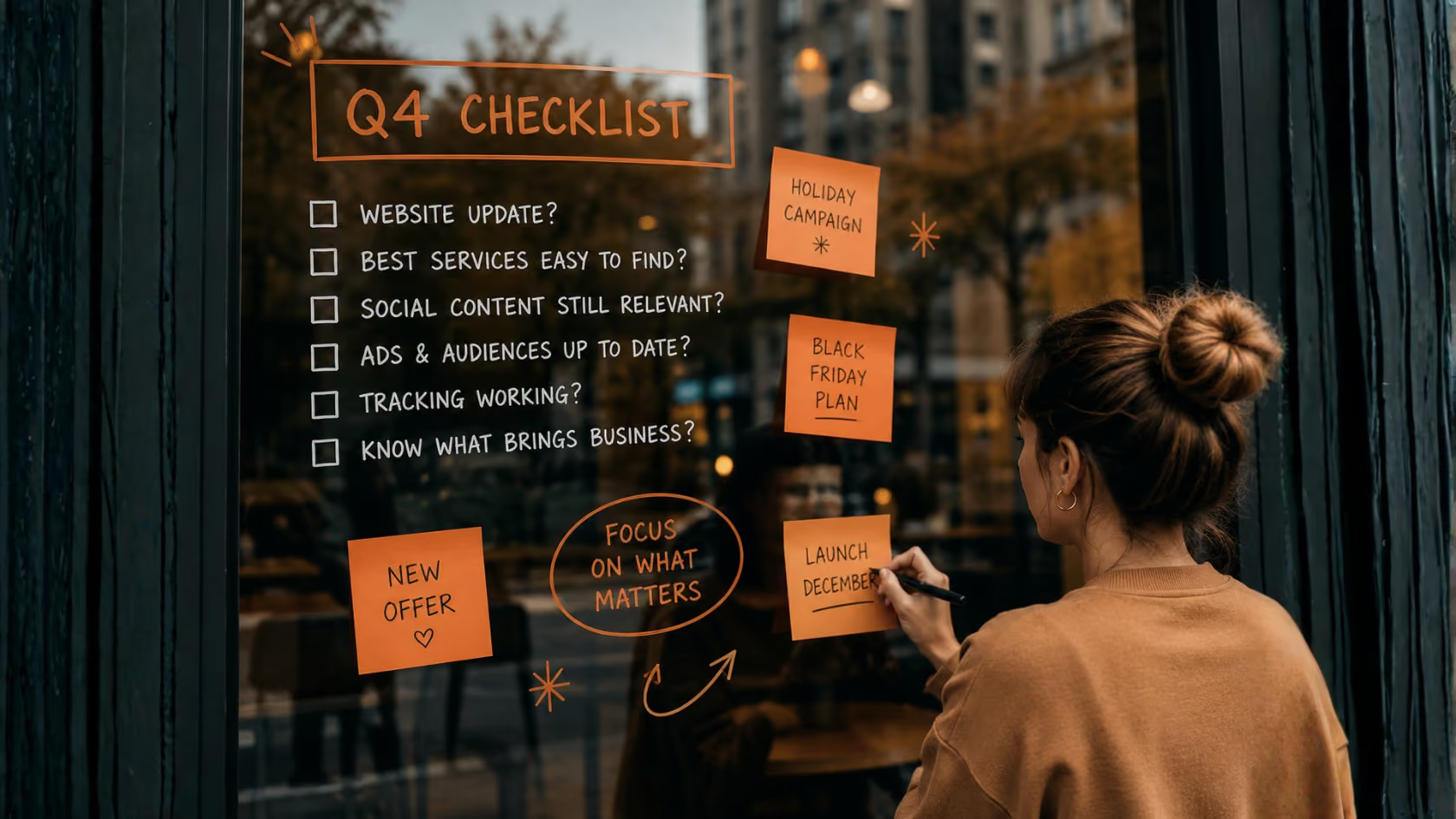
- Is your website still saying the right thing?
- Are your best-selling services actually easy to find?
- Does your social content reflect where the business is today, or where it was six months ago?
- Are your Google and Meta campaigns still built around the same audiences, offers, and assumptions you had at the beginning of the year?
- Is your tracking working?
- Do you know which marketing activities are actually bringing business in?
Because there is very little point in dramatically increasing traffic to a website that nobody has updated since last Christmas.
Q4 has a habit of arriving quickly
September feels early. Until suddenly it’s October 18th and someone asks when the holiday campaign is launching. This is why we like using the beginning of fall to map out the major moments ahead.
- Not every business needs Black Friday.
- Not every brand needs a pumpkin-themed Instagram post.
- And please, nobody needs to write “fall into savings” unless absolutely necessary.
But almost every business has something coming.
- A promotion.
- A launch.
- A busy sales period.
- An event.
- A seasonal offer.
- A year-end push.
- A new product.
- A campaign that needs creative, landing pages, emails, ads, photography, video, or all of the above.
The earlier those pieces are planned together, the less likely November becomes one long chain of messages beginning with: “Quick question…”
Refresh the creative before everyone gets tired of it
If you’ve been running the same visuals since spring, your audience may have seen them. A lot. You may have seen them even more.
Fall is a natural point to refresh campaign creative, photography, video, messaging, or simply the way an offer is presented.
That doesn’t always mean throwing everything away and starting again. Sometimes a new angle is enough.
- A different hook.
- A stronger headline.
- New formats.
- A better first three seconds of a video.
- A more relevant landing page.
Marketing rarely needs more decoration for the sake of decoration. It needs a reason for someone to pay attention again.
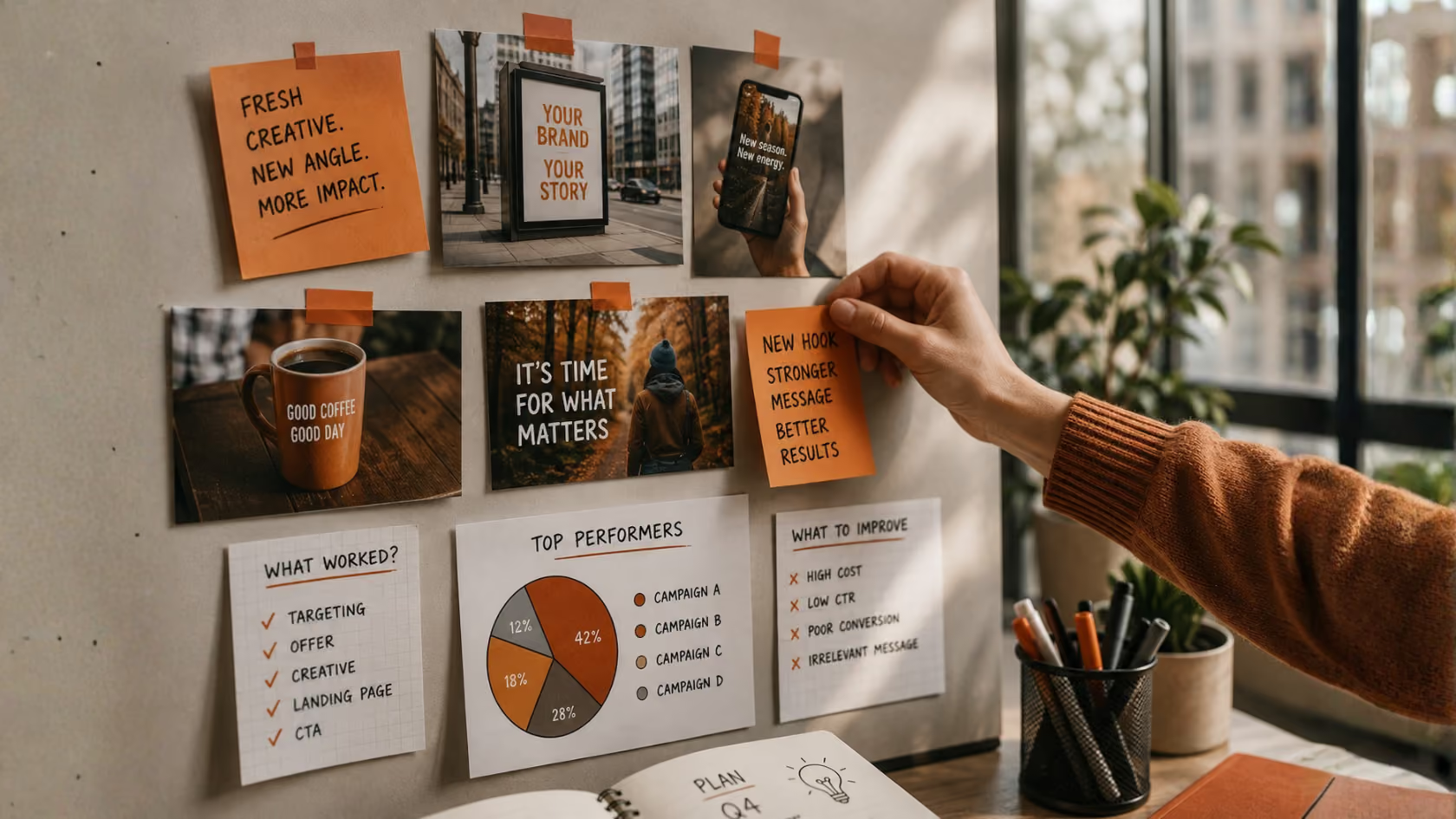
Check what actually worked this year
One of the easiest traps in marketing is moving so quickly from one campaign to the next that nobody stops to ask what happened. September is a good moment for that question.
- What brought the most qualified traffic?
- Which campaigns generated actual inquiries or sales?
- Which email subject lines worked?
- Which content got people talking?
- What cost too much?
- What looked great but did absolutely nothing?
The goal isn’t to recreate everything that worked exactly as it was. It’s to understand why it worked and take that information into the next round. That’s much more useful than starting Q4 with a blank page and good intentions.
Decide what deserves your attention
This might be the most important one.
When everyone comes back after summer, ideas multiply quickly.
- New website.
- New campaign.
- TikTok.
- Newsletter.
- Video series.
- Podcast.
- Influencers.
- SEO.
- AI.
- A rebrand by Thursday.
Having ideas is not usually the problem. Prioritizing them is.
Instead of trying to do everything before December, choose the few things that could create the biggest difference for the business.
- Maybe your website needs work before you spend more on ads.
- Maybe you already have enough content and need stronger distribution.
- Maybe you need better creative.
- Maybe you need to stop launching new things and finally optimize the campaigns that already exist.
Good marketing is often less about adding and more about knowing what deserves to stay.
And yes, start thinking about next year
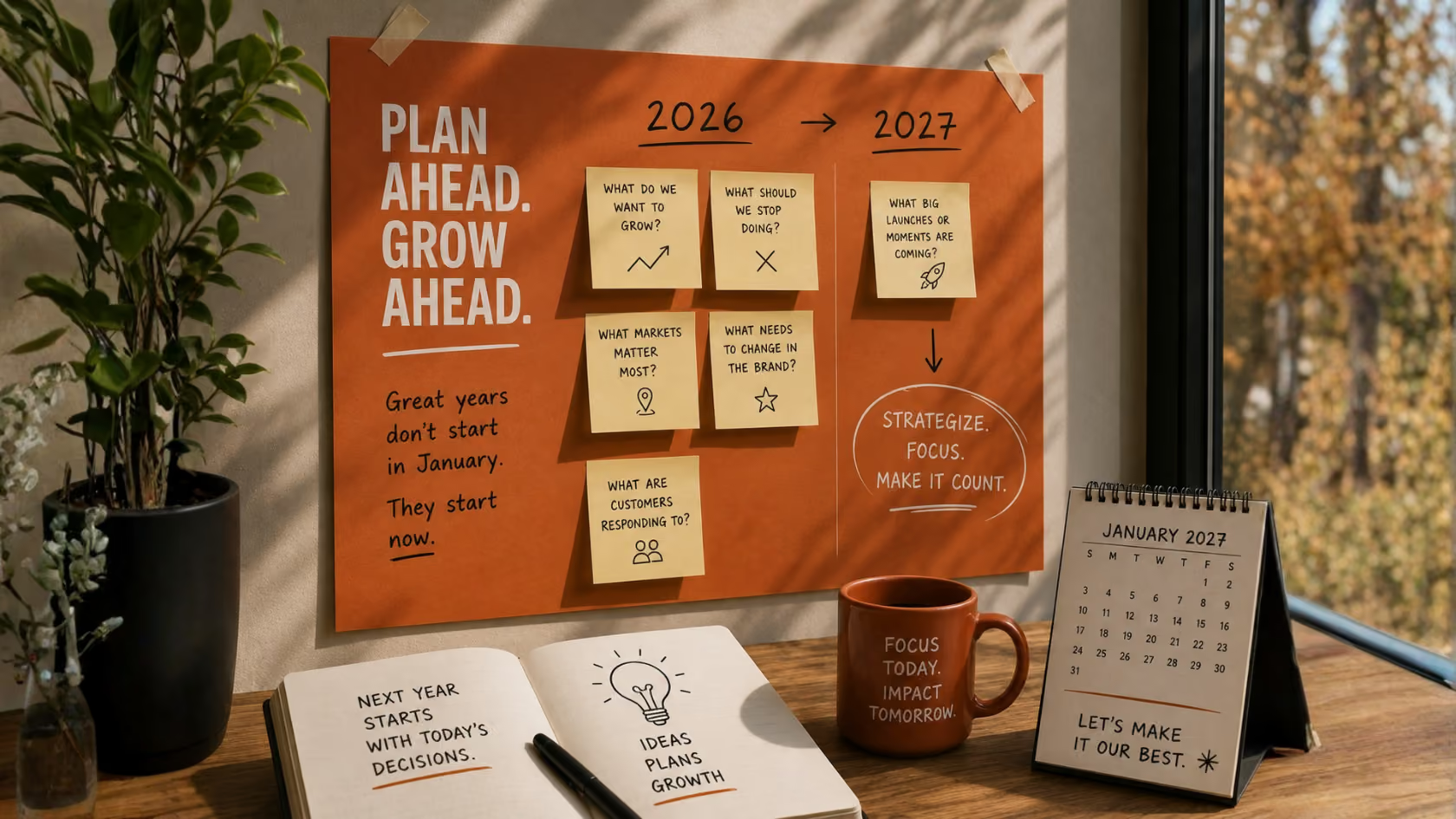
We know. We just got everyone back from summer and now we’re mentioning next year. Rude. But the final months of the year move fast. Once November arrives, December is basically standing behind it holding a holiday party invitation. You don’t need a fully finished annual strategy in September. But you can start collecting the important questions.
- What do we want to grow next year?
- What should we stop doing?
- What markets matter most?
- What needs to change in the brand?
- What are customers responding to?
- What big launches or moments are coming?
The best January plans rarely begin on January 1st.

Our September reset
So, if summer was a little quieter for your business, don’t think of September as simply going back to work. Think of it as a useful reset point.
Look at what’s working. Fix what isn’t. Get ahead of Q4. Refresh what people have already seen too many times. And decide where your attention will actually make a difference.
Then open your calendar. Because everyone else just came back too. And they would love to schedule a quick call.


